Does Red Light Therapy Actually Help With Hair Loss?
Maya Ernest
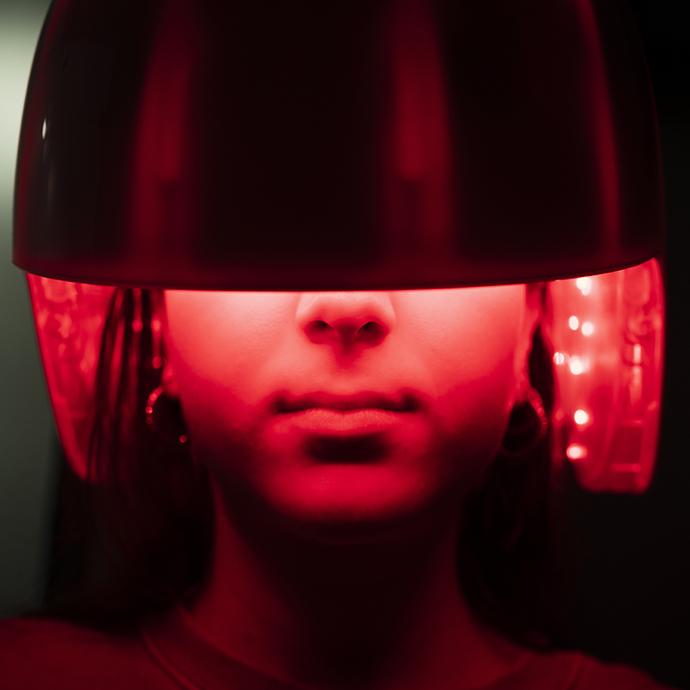
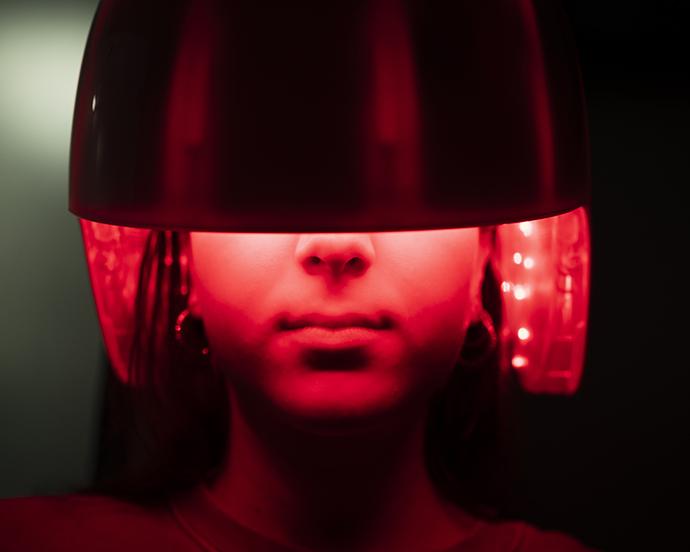
Photo by Alan Rubio/Getty Images
By now, you’ve probably heard about red light therapy, a non-invasive technology that enhances collagen production and reduces inflammation, leaving you with glowing skin and less acne, scars, wrinkles, and more. You can get a professional-grade treatment by visiting a dermatologist or esthetician, or you can slip on a red light therapy mask while watching some Netflix. What’s not to love?
Turns out, the skincare benefits of red light therapy extend to hair too. If your hair is thinning or falling out—whether that’s due to age, tight ponytails, or even a really bad haircut—the treatment can help you bounce back. By stimulating the scalp, the red wavelengths penetrate deep enough to encourage hair growth and reduce inflammation that can lead to excess shedding or thinning. Consider it the next step after thickening shampoos and scalp serums.
It's about glam time you treated yourself.
Join IPSY
MEET THE EXPERT
Steven Pearlman, MD, FACS, is a double board-certified facial and reconstructive plastic surgeon at Pearlman Aesthetic Surgery in New York City.
How Does Red Light Therapy Work for Hair Loss?
Red light therapy works just as well for hair as it does skin, but the process might look a little different. Just ask Steven Pearlman, MD, a double board-certified facial plastic and reconstructive surgeon. “The principle is similar, stimulating cells and improving circulation, but the application and intensity are specific to hair follicles,” he says. Scalp tissue responds differently to the treatment than facial skin, he adds. “Red light and clinical-grade laser therapy stimulate cellular activity in the hair follicle, improve blood flow, and promote healthier, thicker hair growth.” It’s a great treatment to consider if you’ve noticed a little too much hair falling out when brushing or showering, and less invasive than other treatments like surgery.
How Long Does It Take to See Results?
Like most beauty treatments, it’s easy to want results overnight—but don’t expect to wake up looking like Rapunzel after your first go-around. No matter what form you’re choosing for red light therapy, it can take anywhere from four to six months to start seeing progress. “Hair restoration is an ongoing process, similar to how we manage skin or facial volume over time,” says Dr. Pearlman. “Consistency is key to keeping follicles healthy and achieving long-lasting results that integrate naturally with a patient’s facial features.”
What’s the Difference Between an At-Home Treatment and a Professional One?
Choosing between an at-home treatment and an in-office one really comes down to your personal preference, from your hair goals to your budget.
When it comes to gadgets you can use at home, there are plenty of options. A red light therapy helmet can be used for just ten minutes a day and is easy to pop on when you’re chilling on the couch, meaning you’ll probably be more consistent with it. Still, the gadget is definitely an investment. This one from CURRENTBODY retails for $860, while this THERADOME one will run you about $700. At $450, the HIGHERDOSE red light hat is a more affordable option—plus you can discreetly wear it while running errands.
An LED headband can be helpful when addressing hair loss or thinning at the crown and sides of your head, which might be a result of too many slicked-back updos. This headband from SOLARIS LABORATORIES uses a combination of red and blue light therapy to help potentially trigger hair growth, and it’s got sonic pulsations that feel like a mini massage on your head.
For an even more targeted treatment, consider a red light therapy brush. FOREO’s FAQTM 301 brush features a stimulating massage specifically designed to work with liquid hair treatments like rosemary oil or minoxidil. Meanwhile, the LADUORA DUO 4-in-1 Pod Based Scalp & Hair Care Device comes with an in-unit serum dispenser—which you can fill with your favorite serum, or the one that comes with it—and uses a combo of red light therapy, microcurrent, scalp massage, and even gentle heat to help the serum absorb more deeply. It’s the next best thing to a head spa.
If you’re looking for a more personalized treatment, in-office red light therapy is the way to go. There, patients get professional expertise that helps them design a detailed treatment plan that supports both hair health and overall appearance, says Dr. Pearlman. He uses a diagnostic scalp analysis to examine hair density, follicle health, and scalp condition to create a treatment unique to you and your hair growth journey.
“Unlike at-home devices, professional lasers are much more powerful and target the follicles effectively and safely,” he adds. “[In-office treatments] deliver the precision, coverage, and strength needed for meaningful results.” That means the treatment doesn’t have to be performed daily, and can be done weekly or biweekly depending on your hair goals. You’ll have to follow up, however, with an at-home treatment to maintain results.
Final Thoughts
No matter which method you choose, red light therapy can help treat hair loss and lengthen your locks. If you’re noticing excess shedding or hair thinning, consider trying it out before turning to more invasive treatments like surgery. After a few months, you might just be looking at a fuller head of hair—and a fuller sense of confidence.
Liked this post? Share!
Related Stories
Hair
Caramelized Brunette Is Spring’s Sweetest Hair Color Trend
Published on Mar 24, 2026 • 6 min read
Hair
Carolyn Bessette Kennedy’s Blowout Is Back—and It’s the Definition of Quiet Luxury Hair
Published on Mar 12, 2026 • 4 min read


Hair
What Are Utah Curls? The Viral MomTok Hairstyle Explained
Published on Mar 12, 2026 • 4 min read
Hair
Your Complete Guide to the Viral Abbey Yung Hair Method
Published on Feb 26, 2026 • 7 min read


Hair
5 New York Fashion Week Hairstyles We’re Already Planning to Recreate
Published on Feb 18, 2026 • 6 min read
Hair
The Best Hair Serums for Smooth, Shiny, Healthy Strands (No Bad Hair Days Here!)
Published on Feb 3, 2026 • 5 min read
Hair
The Top 18 Leave-In Conditioners for Every Hair Type & Concern
Published on Sep 16, 2024 • 10 min read

Hair
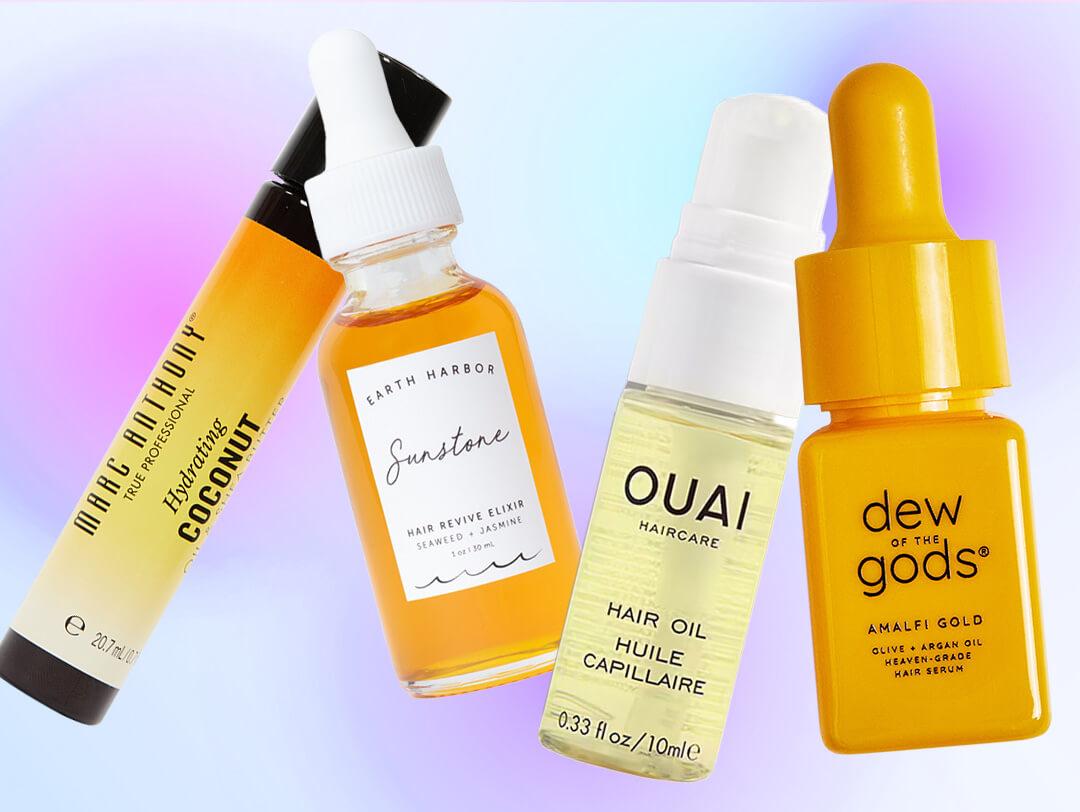
13 Best Hair Oils to Keep Your Strands Shiny and Moisturized
Published on May 14, 2024
Beauty Picked Just for You
Get 5 products worth up to $70
Exclusive access to epic deals up to 80% off
Starting at just $15/month. Cancel anytime.