Oily Hair Weighing You Down? We’ve Got the Root of the Issue


Hannah Cassidy
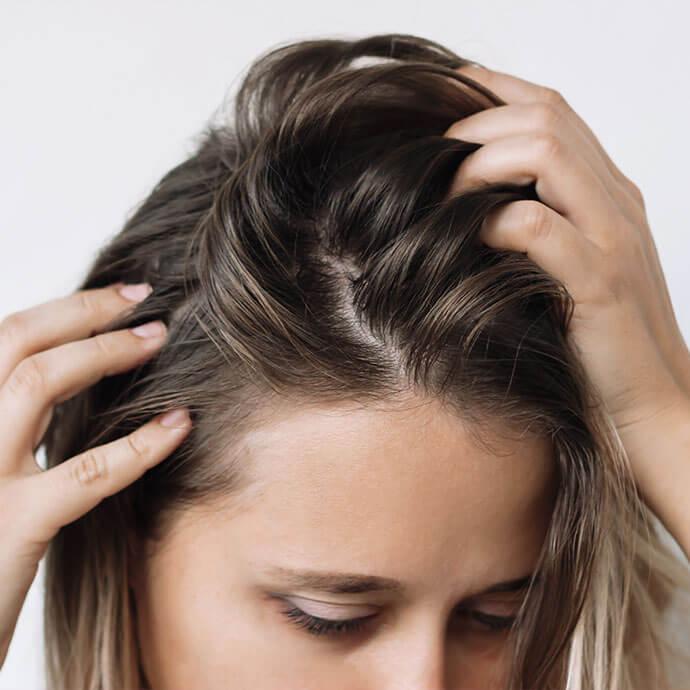
Photo by Marina Demeshko / Getty Images
Perpetually oily hair can feel like you’ve got a timer on your good hair day, with the hours ticking away until your beautiful bouncy blowout inevitably transforms into a flat, greasy mop. You yearn for a day between washes, but instead you’re stuck on a never ending cycle of shampoo-rinse-repeat—asking yourself: “Why does my hair get greasy so fast?”
From simple reasons like heavy conditioners or dirty pillowcases to deeper causes (like hormonal fluctuations or a dry scalp), you’ll need to understand the “whys” behind your greasy hair before you can solve it. We tapped dermatologist Robyn Gymrek, MD, to help explain the root issues of greasy hair and the fixes that can help get you on your way to healthy hair.
It's about glam time you treated yourself.
Join IPSY
MEET THE EXPERT
Robyn Gymrek, MD, is a New-York based, board-certified dermatologist.
Why Does My Hair Get Oily So Fast?
Hormones
According to Dr. Gymrek, hormonal fluctuations can play a major part in how oily your hair gets. “Your oil or sebaceous glands are stimulated by your hormones. So going through puberty, pregnancy, or menopause can cause hormonal changes in oil production,” explains Dr. Gymrek. Your hormone levels can also be altered through medications like birth control, testosterone, or hormone replacement therapy—all of which can influence excess sebum production.
Genetics
Just like hormones, our genetics can play an internal role in our predisposition to oiliness and greasy hair. “While we do not know the genetic details of exactly what genes control oil production, there is plenty of data to support that some people are genetically prone to produce more oil than others,” says Dr. Gymrek. However, your genetic link to greasy hair might just be your hair type. Fine and straight hair types tend to be more oil-prone when compared to others, which may mean that these hair types simply require more frequent and thorough washing—or hair products that won't contribute to excess oil.
Heavy Hair Products
Your hair products may also be the culprit behind why your hair gets oily so fast. Dr. Gymrek posits that while it may seem obvious, adding oils to already oily hair will only exacerbate greasiness—so using hair oils to nourish or add shine might not be your best bet. Additionally, you’ll want to look out for silicone-based hair care or styling products. “Silicones, like dimethicone, which are used to create shiny hair and minimize frizz in products will make hair appear oilier as well and can accumulate trapped oil,” Dr. Gymrek tells us. So if washing or styling leaves your hair feeling greasier, you may want to look at your products.
Excessive Brushing
While brushing your hair can have plenty of benefits (and feel great) when done correctly, too much of a good thing always has its drawbacks. “Excessive brushing exacerbates greasy hair by pulling the natural oils from the scalp and redistributing them along the hair shaft making the hair look greasy,” explains Dr. Gymrek.
Unbalanced Diet
We’re holding your hand while we tell you this, but too much sugar could be responsible for the greasy hair. As Dr. Gymrek puts it: “A high glycemic diet causes insulin and a substance called Insulin Like Growth Factor (IGF) to increase and stimulate the oil glands directly and increase hormones—which leads to more oil production.” Once again, a case of too much of a good thing.
How to Keep My Hair From Getting Oily Fast?
Exfoliate Your Scalp
Exfoliation of an oily scalp is one of the easiest (and most satisfying) ways to combat oily hair. This can be done with physical exfoliation, which sloughs away the dead skin cells and removes excess oil that has accumulated. Dr. Gymrek recommends gentle scalp scrubs for a less-aggressive take on manual exfoliation and scalp-friendly formulas containing things like activated bamboo charcoal to absorb excess oil and debris from the scalp while exfoliating the scalp surface.
You can also use products containing active ingredients like salicylic acid to gently exfoliate an oily scalp. “Salicylic acid treats greasy hair by penetrating the scalp's oil glands and acts as an exfoliant removing excess oil, dead skin cells, and product buildup,” says Dr. Gymrek. Incorporate salicylic acid into your hair care routine with regular scalp treatments like the cult-favorite Salicylic Acid Exfoliating Scalp Treatment from THE INKEY LIST. Alternatively, use a lower strength salicylic acid formula intended for daily use—like the Scalp Revival™ MegaStrength+ Dandruff Relief Shampoo from BRIOGEO HAIR CARE.
Incorporate Phytonutrients
While we wish our hair and skin could benefit from pizza, chips, and a bag of sour gummy candy—it’s just not possible. “The best diet is one that is very low in sugar and processed foods,” says Dr. Gymrek. But aside from just avoiding certain foods, you can take a proactive approach to balancing sebum production through specific dietary additions. “A diet full of vegetables, low glycemic fruits like blueberries, and phytonutrients like zinc and vitamin C will support your immune system and help regulate your hormones leading to less oil production,” explains Dr. Gymrek.
Add In Dry Shampoo
You’re probably well aware of this one, but dry shampoo can be the ultimate quick fix for oily roots—especially when you’re not able to fully rewash your hair. Dry shampoo works by targeting excess oil on the scalp with a base of alcohol or starch. But remember that whole too-much-of-a-good-thing problem? It applies here as well. “Overusing dry shampoo can lead to buildup on the scalp and hair, making it appear dirty and potentially causing further oil production and inflammation,” Dr. Gymrek warns. So use your dry shampoo sparingly and strategically to keep your hair looking fresher, longer.
Switch Up Your Hair Washing Schedule
It might take time to find the right routine for you, but adjusting how often you wash can remedy the oily hair caused by overwashing or underwashing. For example, if you have thin hair or straight hair, you may find that more frequent washing helps keep oil at bay.
You’ll also want to pay attention to how you are washing your hair. Focus on the scalp and thoroughly massage your shampoo into the roots and areas where grease builds up—with clarifying shampoos in the mix to help cleanse excess oil. Then, choose lighter conditioners (steer clear of deep conditioners) or skip the conditioner step and simply use a leave-in conditioner applied only to the ends of your hair.
Regular Tool (and Pillowcase) Cleaning
Dirty pillowcases and buildup on hair tools are the sneaky little factors that could be contributing to oily hair. Regular cleaning of your hot tools and hairbrushes will help keep excess oil at bay while styling—once a week if you’re using them daily or whenever buildup visually appears. As for pillowcases, Dr. Gymrek recommends keeping a schedule of changing them once a week or every two days if you sweat more often.
Final Thoughts
Though it can be annoying, greasy and oily hair is totally normal—and there are plenty of solutions for addressing oil buildup when it gets out of hand. By paying attention to your hair care routine, health changes, and the hair care products you use, you’ll be better clued into your specific hair needs.
Liked this post? Share!
Related Stories


Hair
Caramelized Brunette Is Spring’s Sweetest Hair Color Trend
Published on Mar 24, 2026 • 6 min read


Hair
Carolyn Bessette Kennedy’s Blowout Is Back—and It’s the Definition of Quiet Luxury Hair
Published on Mar 12, 2026 • 4 min read


Hair
What Are Utah Curls? The Viral MomTok Hairstyle Explained
Published on Mar 12, 2026 • 4 min read
Hair
Your Complete Guide to the Viral Abbey Yung Hair Method
Published on Feb 26, 2026 • 7 min read


Hair
5 New York Fashion Week Hairstyles We’re Already Planning to Recreate
Published on Feb 18, 2026 • 6 min read
Hair
The Best Hair Serums for Smooth, Shiny, Healthy Strands (No Bad Hair Days Here!)
Published on Feb 3, 2026 • 5 min read
Hair
The Top 18 Leave-In Conditioners for Every Hair Type & Concern
Published on Sep 16, 2024 • 10 min read

Hair
13 Best Hair Oils to Keep Your Strands Shiny and Moisturized
Published on May 14, 2024
Beauty Picked Just for You
Get 5 products worth up to $70
Exclusive access to epic deals up to 80% off
Starting at just $15/month. Cancel anytime.